
The Fit
You run the only fixed base operator at a joint-use civil-military airport, fueling and handling everything from transient business jets to military visitors. You need a broker who already understands aviation fuel exposure, not one learning it on your account. Here is why Team Haugen fits.

The exposure that defines an FBO is environmental. Above-ground 100LL and Jet A storage, fueling on an active ramp, and a lease that can shift cleanup liability to you. We build the program around that reality, not a generic property template.
Hangarkeepers, products and completed operations on fueling, and airport premises liability are aviation lines that standard markets miss. We place them with carriers who actually write FBOs.
CAA Preferred status, Phillips 66 branded supply, and military-adjacent ramp discipline are the signals that move a fuel-handling risk from feared to favored. We put them in front of the markets that price it.
Pollution, property, auto, workers' compensation, and umbrella belong in one coordinated program. We manage it as a whole, so nothing falls into the gap between aviation and standard policies.
FBO Risk, Read Correctly
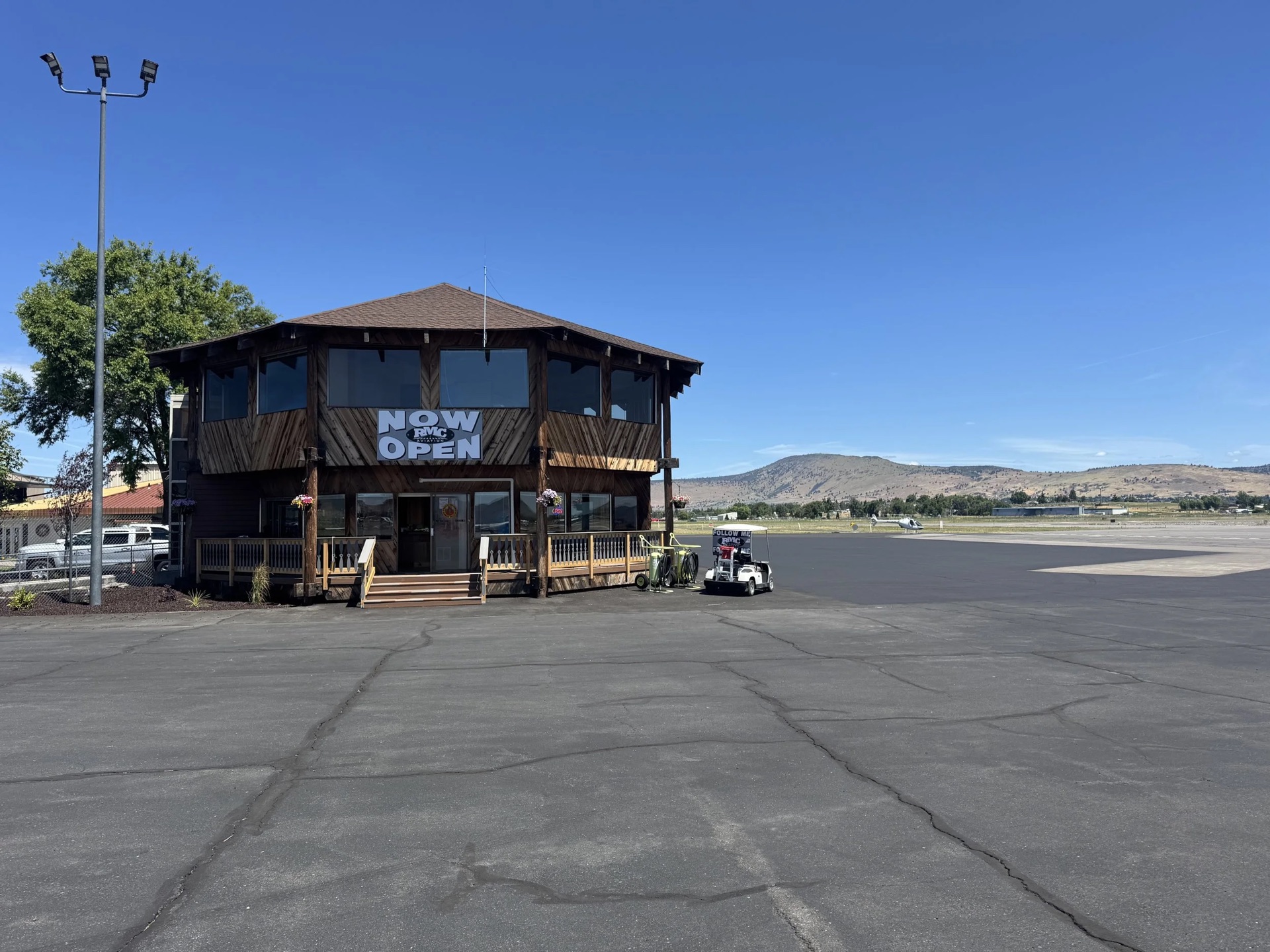
An FBO sits at the intersection of aviation, fuel handling, property, and hospitality. As the sole operator at a Class D joint-use airport at 4,095 feet, RMC Aviation carries a layered risk profile that a standard commercial policy was never built to hold. Here is what we see in your operation.
Fuel Storage and Dispensing
Above-ground 100LL and Jet A tanks and daily ramp fueling create regulated environmental exposure. A spill during refueling or tank transfer can reach soil and groundwater and draw EPA and DEQ involvement, and a standard liability policy usually excludes it.
The Lease Shifts Liability
FBO lease agreements often shift full responsibility for any release, including cleanup costs, to the operator. The program has to answer for that contractual reality, not just the physical risk.
An Active Joint-Use Ramp
Transient pilots, passengers, military personnel, and vendors move through the facility every day. Slip and fall, ramp vehicle incidents, tug and ground-equipment accidents, and foreign object debris are all live exposures on an active airfield.
Fuel Trucks and Tugs
Courtesy cars, crew vehicles, fuel trucks, and tugs operate on the ramp alongside aircraft. A vehicle incident involving an aircraft can become a large property claim, and courtesy programs bring hired and non-owned auto into the picture.
Line Service at Altitude
Ramp and line crews work around jet blast and prop wash, move fuel equipment, and handle aircraft in every season at 4,095 feet. Slip and fall, burns, and equipment-operation injuries are the primary workers' compensation exposures.
Historic, Purpose-Built Facility
The historic octagon building, fueling infrastructure, and ground support equipment are real property at high elevation. Weather exposure and the value concentrated on the ramp shape how the property program should be structured.
Pollution Liability
For a fuel-handling operation, pollution is not a secondary line. It is the first one. We build the environmental program around how RMC Aviation actually stores, moves, and dispenses fuel, and around the lease that can put cleanup on the operator.
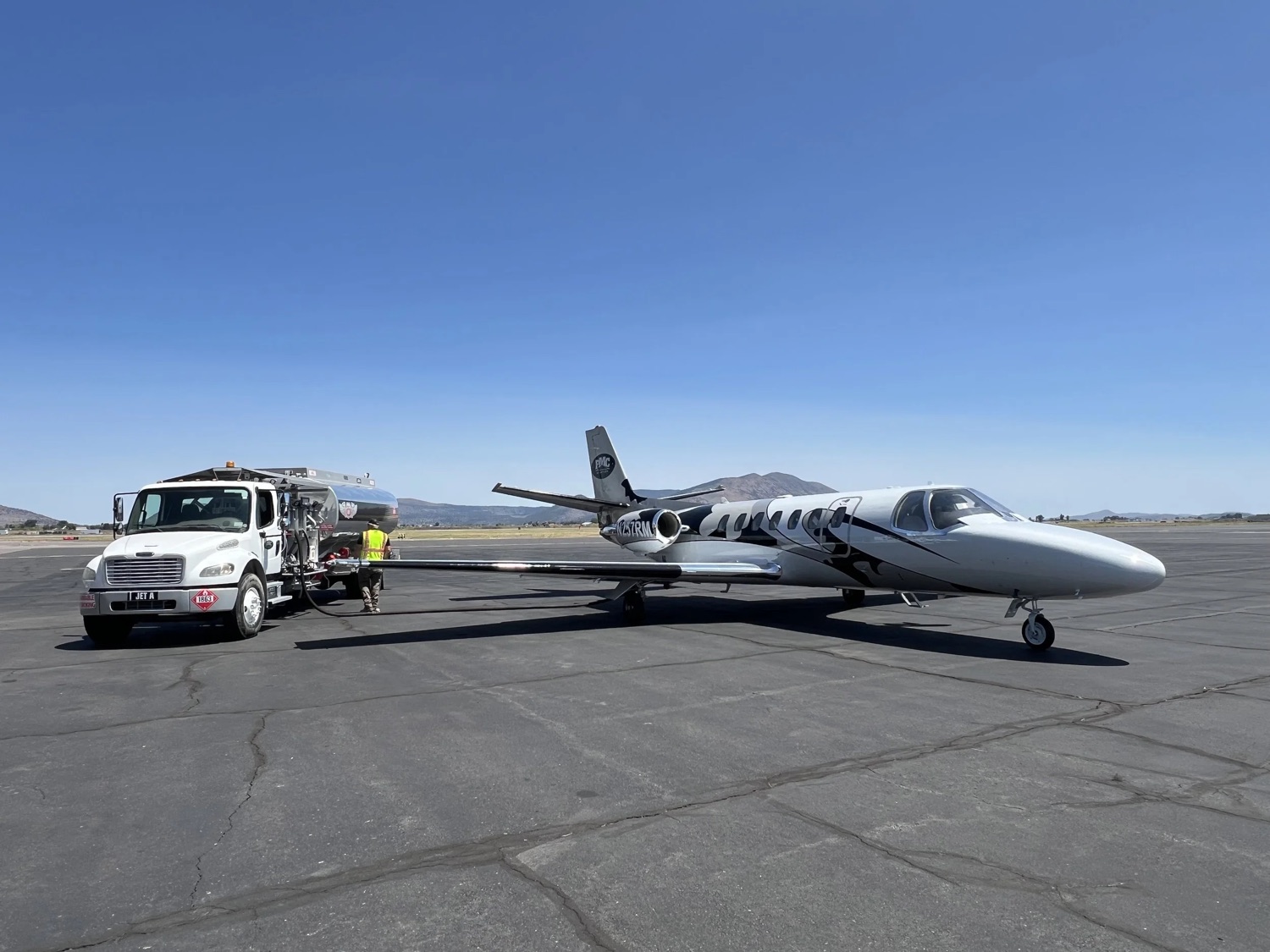
Above-ground 100LL and Jet A tanks and daily fueling are the core exposure. We structure pollution coverage around the spill, overfill, and tank-transfer events that standard liability policies exclude.
FBO leases often shift full release and cleanup liability to the operator. We read those provisions and place coverage that responds to the contractual obligation, not a generic pollution form.
A release that reaches soil or groundwater draws regulatory involvement and cleanup cost quickly. The program is sized for the response, the remediation, and the third-party claims that follow.
Phillips 66 branded supply and disciplined fuel-quality control reduce contamination risk. We put those controls in front of underwriters so the program is priced on how you actually operate.
Commercial Property
The historic octagon building, the fueling infrastructure, and the ground support equipment are the physical backbone of the operation. We structure property coverage around what sits on your ramp and the high-elevation weather it lives in.
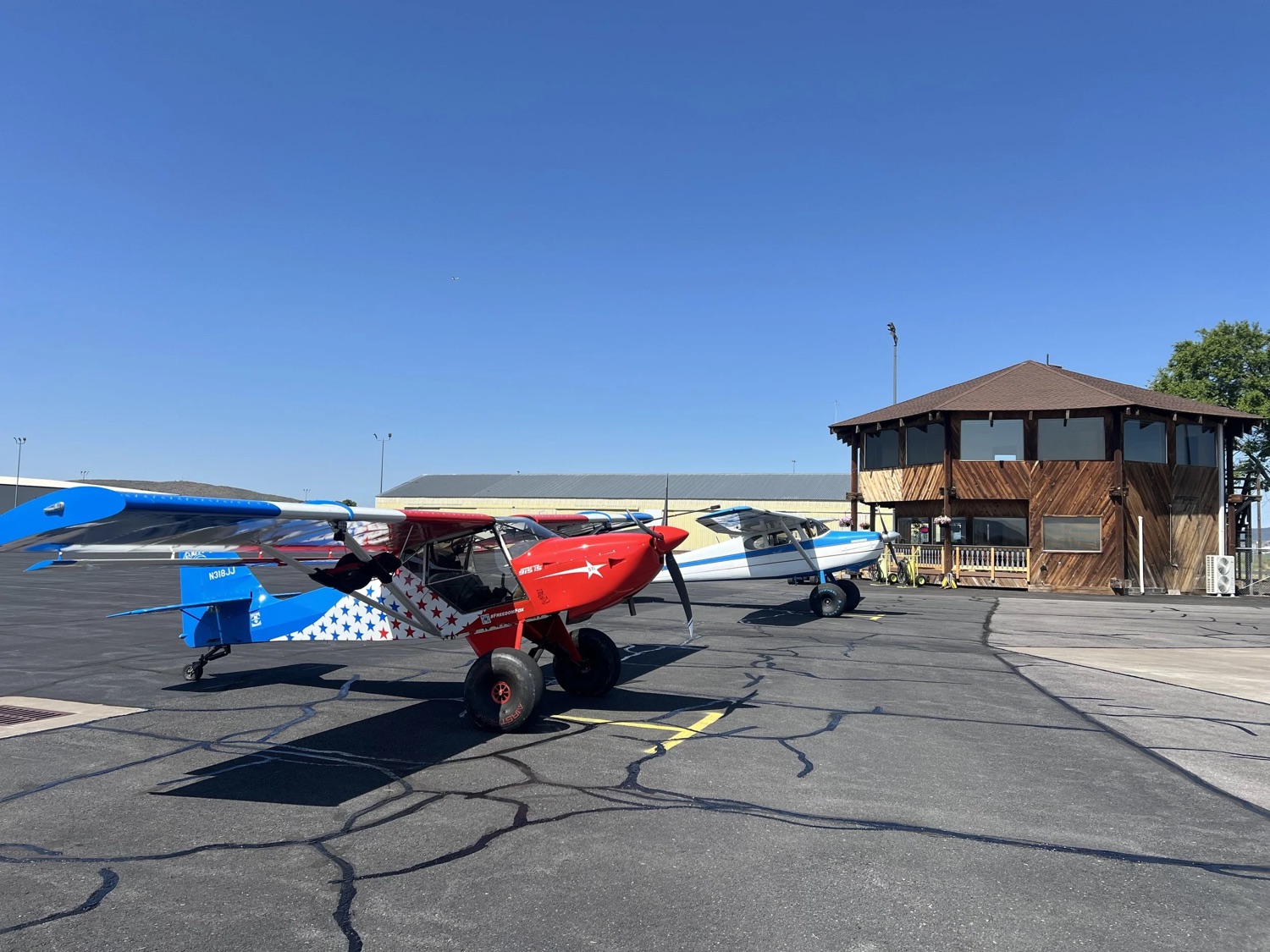
A historic, purpose-built FBO facility is not a generic commercial structure. We value the building and its aviation-specific infrastructure for what it would actually take to replace.
Tanks, dispensing systems, ground power units, tugs, and support equipment concentrate real value on the ramp. The property program accounts for the equipment the operation runs on.
At 4,095 feet, weather is a property variable, not a footnote. Coverage is structured for the conditions the facility and equipment actually face through the year.
Aircraft stored overnight sit in RMC's care, custody, and control. Hangarkeepers liability is a specialized aviation cover, distinct from standard property, for damage while storing or towing a client aircraft.
Additional Coverages
Pollution and property lead, but a full-service FBO carries a layered set of exposures. We build the complete program around how the operation runs on the ramp and in the air.
Your Team
One team, built around your account. Three Haugen principals lead the relationship, backed by HUB's aviation, property and casualty, and risk-management specialists.

SVP, Commercial Lines / Team Haugen Lead

Associate Advisor, Commercial Lines

Associate Advisor, Commercial Lines

Private Client Risk Advisor

Private Client Risk Advisor

Vice President, Workers' Compensation

Workers' Compensation Claims Analyst

Insurance Adjuster

Client Services Advisor

CL Sr. Account Manager

CL Account Manager II

CL Account Manager II

CL Account Manager II

Sr. Risk Management Consultant

Let's have a conversation about your fuel exposure, your lease obligations, and the program RMC Aviation deserves at renewal.
SCHEDULE A CALL